Cute Bunny
First Impressions: A Playful, Heartwarming Design
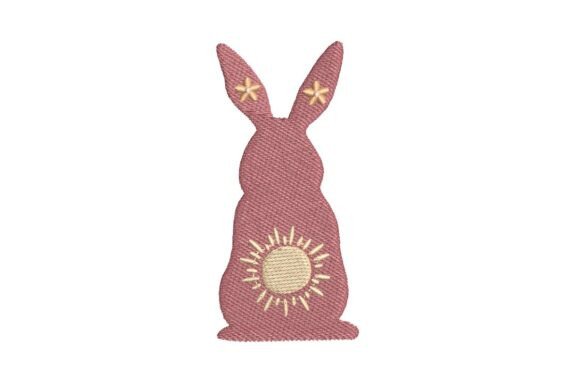
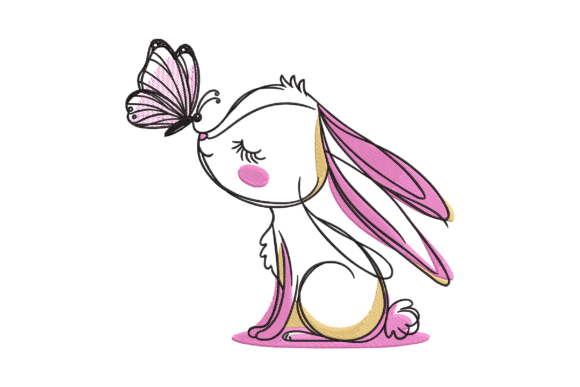
The Cute Bunny design immediately feels like a joyful addition to any handmade product. Its fluffy bunny with perky ears and expressive eyes is both charming and approachable, making it ideal for craft fair and handmade market settings. The design carries a playful, heartwarming vibe that aligns perfectly with Easter themes, though its appeal extends beyond the holiday season.
Visual Appeal on Craft Fair Products
The Cute Bunny design performs exceptionally well across a variety of craft fair products. On tote bags, it adds a whimsical touch without overwhelming the fabric. When applied to aprons, it becomes a focal point that draws attention and complements the practicality of the item. Tea towel embroidery featuring Cute Bunny brings a sense of warmth and charm, while embroidered patches offer a compact, collectible option.
Cute Bunny also looks great on fabric pouches, pillow covers, and market bags. Its soft, decorative style fits well with farmhouse and rustic aesthetics, making it versatile for different customer preferences. The design’s ability to work as both a small accent and a larger focal point ensures it can adapt to various product types.
Photography and Online Listings
When it comes to online listings, Cute Bunny holds up well in photographs. The design’s clear lines and expressive features make it easy to capture in high-quality images. Etsy sellers and digital creators should ensure they use proper lighting and background to showcase the detail and color contrast of the embroidery file.
It’s important to note that Cute Bunny may require careful consideration when creating printable mockups or digital embroidery files. Ensuring thread colors complement the fabric texture is key to maintaining visual clarity and appeal in both print and digital formats.
Practical Production Notes
Before production, test the Cute Bunny design on scrap fabric to assess stitch density and overall appearance. Confirm that the hoop size is appropriate for the design complexity and fabric type. Using the right stabilizer will help maintain even tension and prevent puckering, especially on thicker fabrics like denim or textured towels.
For commercial embroidery, check that the design assets are suitable for batch production. Ensure there are no dense stitch areas that might cause issues during machine embroidery. Tiny details and small lettering should be reviewed for clarity, especially when scaled down for smaller products like embroidered patches or caps.
Design Considerations for Different Fabric Types
The Cute Bunny design works best on light to medium-weight fabrics. Darker fabrics may reduce the visibility of intricate details, so it’s advisable to test on multiple fabric types before finalizing production. Curved surfaces like caps can present challenges, so consider adjusting the design slightly for better fit and clarity.
When applying Cute Bunny to textured towels or thick fabrics, ensure the embroidery file is optimized for these materials. This helps maintain the design’s integrity and ensures it remains visually appealing in person and online.
Customer Engagement and Brand Consistency
The Cute Bunny design has strong potential to engage customers at craft fairs and handmade markets. Its cute and friendly nature makes it relatable, especially to families and those looking for festive or seasonal items. As a small shop product, it can help build brand consistency and create a recognizable identity for your embroidery business.
Pairing Cute Bunny with other designs like flowers, hearts, or carrots can enhance its versatility and appeal. This allows for creative combinations that cater to a broader range of buyers while maintaining a cohesive brand aesthetic.
Final Thoughts and Recommendations
In conclusion, Cute Bunny is a promising design for craft fair and handmade market products. It offers a balance between cuteness and practicality, making it suitable for a wide array of items. However, it’s essential to review all design assets carefully before production to ensure quality and consistency.
As an experienced embroidery designer, I recommend testing the design on various fabrics, confirming thread color contrast, and using proper stabilizers. Creating at least one real mockup will help you gauge how the design appears in person and online. Finally, always confirm commercial licensing before selling finished products to protect your brand and ensure compliance.