Mosaic Cacti
A Stained-Glass Vibe for Embroidery Enthusiasts
As a designer who’s stitched through countless projects, I’ve learned that the right embroidery design can elevate a simple fabric into something truly special. Mosaic Cacti is one such design that caught my eye with its bold geometric patterns and vibrant color palette. It’s not just another cactus; it’s a statement piece that feels like a stained-glass window brought to life on fabric.
The First Impression: A Bold Statement in Color and Shape
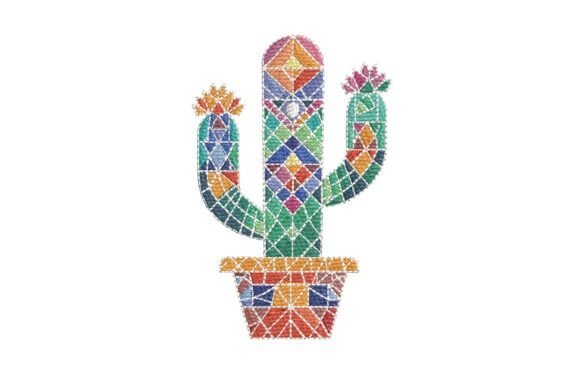
At first glance, Mosaic Cacti makes a strong visual impact. The saguaro cactus is rendered with a mosaic of colorful, geometric patches, creating a striking stained-glass effect. The design is clean yet intricate, balancing detail with readability. It feels modern, artistic, and perfect for those who want to add a touch of whimsy to their handmade creations.
The shape of the cactus is well-proportioned, making it suitable for a variety of applications—from small patches to large tote bags. The layout is intuitive, allowing for easy placement on a garment or fabric surface without overwhelming the viewer. This makes it an excellent choice for both personal use and commercial projects.
Real-World Use Cases: Where Does Mosaic Cacti Shine?
When considering where to place Mosaic Cacti, I immediately thought of custom apparel. A sweatshirt or t-shirt with this design would stand out in a crowd. The geometric pattern adds a contemporary edge while keeping the cactus theme recognizable. It could also work beautifully on a baby onesie or a toddler’s outfit, offering a playful yet sophisticated look.
For smaller items, like embroidered patches or apron accents, Mosaic Cacti brings a unique flair. Imagine using it as a decorative element on a kitchen towel or a pillow cover—its vibrant colors and structured layout make it ideal for adding visual interest without being too busy.
One scenario I considered was a holiday gift, such as a personalized tote bag. The design’s eye-catching nature would make it a great conversation starter, especially when paired with a complementary color scheme. It could also serve as a boutique branding element, helping to create a cohesive and memorable brand identity.
Where to Be Careful: Potential Challenges in Real Projects
While Mosaic Cacti is versatile, there are a few considerations to keep in mind. The dense stitch areas and detailed corners may pose challenges on small hoop sizes or textured fabrics. If you’re working with a thin or stretchy fabric, you’ll need to ensure proper stabilizer use to maintain the design’s integrity during stitching.
Dark fabric backgrounds might reduce the vibrancy of the design, so it’s worth testing the embroidery file on a scrap piece first. Additionally, if you plan to use this design on curved surfaces like caps or hats, be mindful of how the geometry interacts with the curve. Some adjustments may be necessary to maintain clarity and proportion.
Another thing to consider is the frequency of washing. For products like baby clothes or kitchen towels, the design should hold up over time. Testing the design in black and white mockups can help assess how it looks under different lighting conditions and fabric types before committing to a final product.
Design Clarity and Visual Appeal: What Makes Mosaic Cacti Stand Out
Mosaic Cacti excels in terms of visual appeal. The contrast between the geometric patches and the background fabric creates a dynamic interplay of light and shadow. This makes the design feel lively and engaging, even from a distance. It’s the kind of embroidery that draws people in and invites closer inspection.
From a design perspective, the clarity of the stitches is impressive. Whether using satin stitch, fill stitch, or running stitch, the details remain sharp and legible. This ensures that the finished product maintains its artistic quality, whether it’s a custom apparel item or a digital product sold on Etsy.
For small business owners and crafters, Mosaic Cacti offers a valuable asset. Its versatility allows it to fit seamlessly into various product lines, from handmade gifts to branded merchandise. It also has the potential to increase customer trust and engagement, especially when used consistently across multiple items.
Practical Design Notes for Embroidery Professionals
If you’re planning to use Mosaic Cacti in your projects, here are a few practical tips to keep in mind:
- Test on Scrap Fabric: Always check the design on a scrap piece before stitching on your final project.
- Check Thread Color Contrast: Ensure the thread colors provide enough contrast against the fabric.
- Review Stitch Density: Confirm that the stitch density is appropriate for your intended use.
- Confirm Hoop Size: Make sure the design fits within your hoop size to avoid distortion.
- Inspect Small Details: Pay attention to tiny lettering and intricate corners to ensure they’re visible and well-stitched.
- Use Proper Stabilizer: Choose a stabilizer that suits the fabric type and design complexity.
- Test in Black and White Mockups: This helps assess the design’s clarity and composition.
- Compare Light and Dark Backgrounds: Test the design on different fabric tones to see how it looks in real life.
- Confirm Licensing: If selling finished products or digital files, ensure you have the proper licensing rights.
These steps will help you maximize the potential of Mosaic Cacti, ensuring that your finished product meets both aesthetic and functional standards.
Conclusion: A Versatile Choice for Creative Embroidery
Mosaic Cacti is more than just a design—it’s a creative tool that can bring a new level of artistry to your embroidery projects. Whether you’re crafting personalized gifts, building a brand, or expanding your craft business, this design offers flexibility, visual impact, and practical value.
With careful consideration of fabric type, hoop size, and stitching technique, Mosaic Cacti can become a standout feature in your portfolio. As an experienced designer, I recommend it for anyone looking to blend creativity with functionality in their embroidery work.